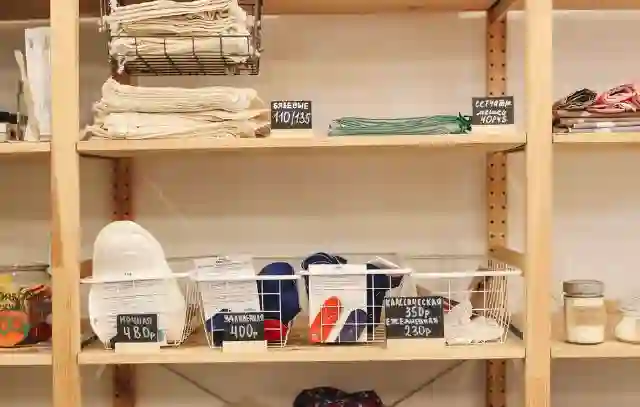
Sustainable Home Goods: 15 Eco-Friendly Choices for a Greener Home
In recent years, sustainable home goods have become more than just a trend—they’ve become a practical way for people worldwide to reduce waste, save resources, and create healthier living spaces. Whether you’re starting your sustainability journey or looking to upgrade your home with eco-friendly alternatives, choosing sustainable products is one of the easiest ways to make a positive environmental impact.
This guide explores the best sustainable home goods, their benefits, and practical tips to help you make smarter purchasing decisions.
What Are Sustainable Home Goods?
Sustainable home goods are products designed and manufactured with minimal environmental impact. They are typically made from renewable, recycled, biodegradable, or responsibly sourced materials and are built to last longer than conventional alternatives.
Examples include:
- Bamboo kitchen utensils
- Organic cotton bedding
- Reusable food storage containers
- Recycled glass decor
- Natural cleaning products
- Energy-efficient lighting
These products reduce waste while supporting ethical manufacturing and responsible resource management.
Why Choose Sustainable Home Goods?
Switching to sustainable home goods offers benefits beyond protecting the environment.
-
Reduce Environmental Impact
Eco-friendly products generate less pollution, require fewer natural resources, and often produce lower carbon emissions.
-
Save Money Over Time
Although some sustainable products have a higher upfront cost, their durability means fewer replacements, resulting in long-term savings.
-
Improve Indoor Air Quality
Natural materials and non-toxic finishes reduce exposure to harmful chemicals commonly found in conventional household products.
-
Support Ethical Businesses
Many sustainable brands prioritize fair wages, responsible sourcing, and environmentally friendly manufacturing.
Best Sustainable Home Goods for Every Room
-
Bamboo Kitchen Essentials
Bamboo grows quickly without requiring excessive water or pesticides. Bamboo is a very sustainable material that grows fast and needs very little water. Bamboo kitchen items like utensils, cutting boards, and bowls are strong and easy to clean, making them a good choice instead of plastic or metal. Also, bamboo has natural antibacterial properties, so it doesn’t need strong chemical cleaners.
Popular options include:
- Cooking spoons
- Serving trays
- Dish racks
Benefits
- Lightweight
- Durable
- Biodegradable
-
Reusable Food Storage
Replace disposable plastic bags with reusable alternatives. Single-use plastic wrap adds a lot to plastic waste, but using reusable food wraps can help cut that down. These wraps are made from things like beeswax or silicone and can be used many times. They are a better choice for the environment than plastic wrap.
Choose:
- Glass containers
- Stainless steel lunch boxes
These help reduce single-use plastic waste significantly.
-
Organic Cotton Bedding
Organic cotton is grown without harmful pesticides and uses less water than conventional cotton farming. This makes organic cotton bedding better for the environment and healthier for you. Also, organic cotton bedding is usually made using eco-friendly methods like saving water and rotating crops.
Look for:
- Sheets
- Pillowcases
- Duvet covers
- Blankets
Benefits include:
- Soft texture
- Breathability
- Hypoallergenic properties
-
Eco-Friendly Cleaning Products
Traditional cleaning products often contain harsh chemicals. Many cleaning products have strong chemicals that can hurt the environment and your health. Using eco-friendly cleaners made from natural things like vinegar and baking soda works just as well for cleaning your house, and it’s better for the planet.
Sustainable alternatives include:
- Plant-based cleaners
- Refillable cleaning solutions
- Concentrated cleaning tablets
- Natural dish soaps
These products are safer for families and the environment.
-
Recycled Glass Home Decor
Recycled glass products reduce landfill waste while creating beautiful decorative pieces. Recycled glass home decor is such a cool and eco-friendly way to jazz up your space! Imagine turning old bottles and jars into stunning vases, pendants, or even stylish candle holders that not only look fabulous but also tell a story of sustainability. Each piece has its own unique character, often featuring those beautiful swirls and bubbles that you just don’t find in mass-produced items. Plus, they’re super versatile; there’s a recycled glass piece out there to match your style. It’s like giving your home an artsy twist while helping the planet—what’s not to love? And with so many brilliant artisans hopping on the recycling train, you can snag one-of-a-kind treasures that really make your home shine!
Ideas include:
- Vases
- Candle holders
- Decorative bowls
- Drinkware
-
LED Lighting
LED bulbs use up to 80% less electricity than traditional incandescent bulbs and last significantly longer.
Advantages include:
- Lower energy bills
- Reduced carbon footprint
- Longer lifespan
-
Recycled Furniture
Recycled furniture is not just an eco-friendly trend; it’s a lifestyle choice that combines creativity with sustainability. Picture this: a beautifully crafted coffee table made from reclaimed wood, telling a story of its former life while adding rustic charm to your living room. These pieces often come from old barns, pallets, or even discarded items that have been transformed into functional art. The best part? Each item is unique, so your space reflects your personality and values. Plus, you’re giving new life to materials that would otherwise end up in landfills—pretty cool, right? With an array of styles from shabby chic to modern industrial, recycled furniture offers endless possibilities for personalization without breaking the bank. So why not embrace the quirky appeal of well-loved materials and create a home that’s as stylish as it is sustainable?
Instead of purchasing new furniture, consider:
- Reclaimed wood tables
- Recycled metal shelving
- Upcycled cabinets
- Vintage furniture
These pieces often have unique character while preventing unnecessary waste.
-
Natural Fiber Rugs
When it comes to giving your home that cozy vibe, natural fiber rugs are a game-changer, both in style and sustainability. Made from materials like jute, sisal, or wool, these rugs not only add warm textures but also come with the bonus of being eco-friendly. Unlike synthetic options that can hang around long after their time is up, natural fibers break down without leaving a nasty footprint on Mother Earth. Plus, they’re super durable—you know those spills and stains? Natural fiber has got you covered; most of them resist dirt really well! So if you’re looking to elevate your space while being kind to the planet, a natural fiber rug might just be your new best friend!
Choose rugs made from:
- Jute
- Sisal
- Wool
- Seagrass
These materials are renewable, biodegradable, and durable.
-
Reusable Bathroom Products
Reusable bathroom products are a game changer for both your wallet and the environment. Think about swapping out those single-use cotton balls or pads for washable alternatives like organic cotton rounds, which are perfect for removing makeup without creating waste. You can even use bamboo toothbrushes instead of plastic ones—they’re biodegradable and gentle on the planet! Plus, switching to reusable toilet paper or family cloths might seem like a stretch, but many find it surprisingly refreshing! All these options not only cut down on waste but also encourage us to be more mindful about our daily routines, making that bathroom experience a bit more sustainable and stylish.
Reduce bathroom waste with:
- Bamboo toothbrushes
- Safety razors
- Refillable soap dispensers
- Organic cotton towels
Small changes can prevent hundreds of disposable products from reaching landfills.
-
Compost Bins
Kitchen compost bins help transform food scraps into nutrient-rich compost for gardens instead of sending organic waste to landfills.
-
Refillable Household Products
Many companies now offer refill stations or refill pouches for:
- Hand soap
- Shampoo
- Laundry detergent
- Dishwashing liquid
This greatly reduces plastic packaging.
-
Sustainable Cookware
Sustainable cookware is becoming a game-changer for eco-conscious home chefs who care about what they cook with just as much as the food itself. Think cast iron skillets, bamboo utensils, and pots made from recycled materials—these not only minimize environmental impact but often last longer than conventional options. Many brands are leaning heavily into non-toxic coatings and BPA-free materials, ensuring that you’re keeping both your meals and the planet safe. Plus, using these sustainable products can really enhance your cooking experience; for instance, a well-seasoned cast iron pan can develop a natural non-stick surface over time!
Look for cookware made from:
- Stainless steel
- Cast iron
- Ceramic coatings free from harmful chemicals
High-quality cookware lasts decades with proper care.
-
Eco-Friendly Storage Solutions
When it comes to sprucing up your home while being kind to the planet, sustainable home goods really shine, especially eco-friendly storage solutions. Think about bamboo baskets or recycled fabric bins that not only look chic but also reduce waste. Biodegradable materials and organic cotton are becoming super popular for everything from shelving liners to closet organizers. Plus, these items usually bring a bit of natural flair into your space! Imagine stylish rattan bins holding your cozy blankets or using reclaimed wood crates for bookshelves—it’s all about function meeting aesthetics without harming Mother Earth. So whether you’re decluttering, organizing, or just trying to add a touch of green love to your living space, opting for sustainable options can make a real difference
Organize your home using:
- Woven baskets
- Wooden crates
- Fabric storage bins
- Recycled plastic containers
These alternatives reduce dependence on disposable storage options.
14. Indoor Plants
Indoor plants are the ultimate sustainable home goods that not only spruce up your space but also boost your mood and improve air quality. Think of them as nature’s little air purifiers, soaking up toxins and pumping out oxygen while adding a splash of green to any room. Choosing local or organically grown plants can step up your eco-game—no harmful pesticides here! And let’s not forget about cute pots made from recycled materials or biodegradable options that further reduce your carbon footprint. With indoor plants, you’re not just decorating; you’re creating a peaceful sanctuary while giving Mother Earth a high-five too!
Popular choices include:
- Snake plant
- Peace lily
- Spider plant
- Pothos
-
Solar-Powered Home Accessories
Solar-powered home accessories are a game-changer for anyone looking to spice up their living space while keeping things eco-friendly. Imagine sprucing up your garden with charming solar-powered lights that recharge during the day and cast a warm glow at night without racking up an electric bill. Or think about solar lamps for your porch or patio, perfect for those summer evening hangouts—no extension cords or outlets required! You can also find cool gadgets like solar chargers for devices, which cut down on battery waste and promote renewable energy use right from your living room. These products aren’t just sustainable; they’re stylish and fun, adding personality to any space while helping you reduce your carbon footprint.
Solar-powered products reduce electricity consumption.
Examples include:
- Outdoor lights
- Garden lanterns
- Security lights
- Decorative lighting
How to Choose Sustainable Home Goods
When it comes to picking sustainable home goods, it’s all about being a savvy shopper while keeping an eye on the planet. Start by looking for items made from eco-friendly materials—think organic cotton, bamboo, or recycled plastics. Check labels for certifications like Fair Trade or FSC (Forest Stewardship Council), which ensure ethical sourcing and responsible production practices. Don’t forget to consider durability; investing in high-quality, timeless pieces not only means less waste but often saves you money in the long run. Lastly, try to avoid single-use products; opting for multi-functional items can really amp up sustainability without sacrificing style!
Before making a purchase, consider the following:
Material
Prefer renewable or recycled materials such as:
- Bamboo
- Cork
- Organic cotton
- Hemp
- Glass
- Stainless steel
Repairability
Products that can be repaired instead of replaced reduce overall waste.
Common Mistakes to Avoid
Many shoppers unintentionally make less sustainable choices.
Avoid:
- Buying trendy products you’ll rarely use
- Choosing “greenwashed” products without verified certifications
- Replacing usable items unnecessarily
- Prioritizing appearance over durability
The most sustainable product is often the one you already own.
Frequently Asked Questions
Ethical home goods
If you’re looking for ethical home goods, here are some well-regarded brands that prioritize fair labor, sustainable materials, and transparency:
- The Citizenry – Artisan-made rugs, bedding, furniture, and décor. Their products are Fair Trade Certified and handcrafted by skilled artisans. (The Good Trade)
- Coyuchi – Organic cotton bedding and bath linens with a strong focus on sustainable farming and circular production. (Fair Trade Certified)
- Boll & Branch – Ethically sourced luxury bedding made with Fair Trade Certified factories and organic cotton. (Fair Trade Certified)
- Under the Canopy – Affordable organic bedding, towels, and bath products using low-impact materials. (Fair Trade Certified)
- SERRV – A nonprofit fair trade retailer offering handmade kitchenware, baskets, textiles, and décor from artisan cooperatives around the world. (SERRV International)
- Ten Thousand Villages – One of the oldest fair trade organizations, featuring handcrafted home décor, kitchen items, and gifts from global artisans. (Bravo)
When shopping for ethical home goods, look for certifications and practices such as:
- Fair Trade Certified or WFTO (World Fair Trade Organization)
- GOTS (Global Organic Textile Standard) for organic textiles.
- FSC certification for responsibly sourced wood.
- Recycled, reclaimed, or natural materials.
- Transparent information about worker pay and manufacturing practices. (The Good Trade)
Final Thoughts
Investing in sustainable home goods is a practical way to create a healthier home while reducing your environmental footprint. From reusable kitchen essentials to energy-efficient lighting and responsibly sourced furniture, every purchase can contribute to a more sustainable future.
Start with one or two simple swaps and build your eco-friendly home over time. Small, consistent changes can make a meaningful difference for your household and the planet.

I am Tamanna haq.I am a professional freelancer.This website is created for everyone who wants to live a healthier, happier, and more balanced life. My goal is to share useful and easy-to-understand information about health, the benefits of different foods, and everyday lifestyle tips that can help improve your well-being.